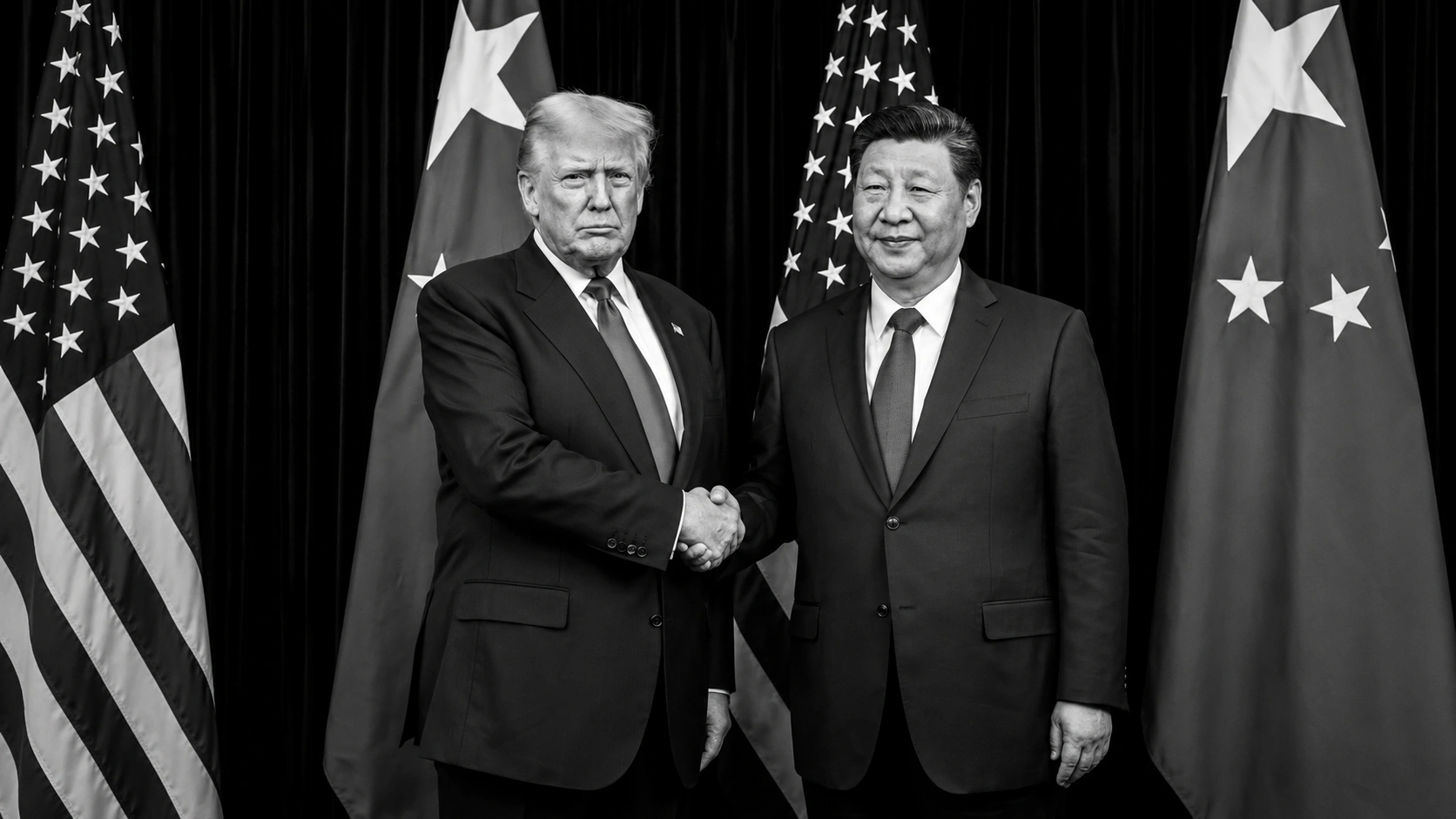
President Trump traveled to Beijing, took Jensen Huang with him at the very last minute, and departed two days later, claiming that “something could happen” regarding the exportation of the chips. But nothing happened. There hasn’t been a single shipment of the Nvidia H200 chips from the US to China since President Trump first authorized their exportation in December 2025, according to US Trade Representative Jamieson Greer of Bloomberg.
While the diplomatic theatre was taking place, there was a much more interesting story being played out beneath it. It is not that the H200 chips cannot be exported to China due to the restrictions imposed by the US government. They can. Approximately ten companies in China, including Alibaba, Tencent, ByteDance, and JD.com, have export licenses from the US for up to 75,000 units each.
Also Read : RingCentral Expands AI Receptionist with Shopify, Calendly, and WhatsApp Integrations
Understanding the nature of the stalemate is important. Under the rules set out by the United States, any chip purchased from the company as an H200 by Chinese customers must be used solely within the borders of China. However, according to reports from Beijing, Chinese tech firms should use Nvidia chips exclusively in other countries but support domestic production.
Exportable chips cannot be used where Beijing wishes to use them, and Beijing will not permit their domestic use, which the US licenses demand, says Implicator. According to Commerce Secretary Howard Lutnick, testifying before the Senate last month, Chinese businesses are doing their best to ensure their investments are made in domestic vendors, such as Huawei. A supply chain security assessment has been ordered by China’s State Council in order to reduce dependence on US chips.
This is deliberate policy contradiction, which is the whole idea.
A number of data points emerged from the week leading up to the summit that have implications far beyond Trump’s last tweet. DeepSeek verified that its latest version of the model was optimized to run on Huawei’s processors. Tencent’s chief strategy officer stated that GPU supplies from China would increase gradually until 2026, while an Alibaba representative indicated that its proprietary T-Head GPUs were now in full-scale production.
Also Read : United States Government Expands AI Suppliers and Reassesses Anthropic’s Role
This comes after the April unveiling of DeepSeek V4, which made the necessary modifications to enable training on the Huawei’s Ascend processors, becoming the first Chinese frontier model to do so, not just inference. What became clear at the summit is that this change is no longer an experiment. It is a supply chain policy. Nvidia’s revenues in China have dropped to about 5%, compared to more than 20% previously, due to the export restrictions. The company itself has projected 0% revenues from China in the current quarter.
The very late addition of Huang to the group—after Trump himself made a phone call to Huang following coverage in the media that he was not invited—implies a sense of urgency. The result implied the limitations of CEO diplomacy in dealing with institutional barriers.
It does not matter just from the perspective of how it looks between the two countries. Chinese AI platforms are now working under an order from their government to leverage the technology in the compute stack that Huawei developed. Whether Chinese platforms choose to utilize Huawei Ascend chips instead of Nvidia H200S has nothing to do with benchmarking.
When Beijing guides the platforms towards utilizing Huawei chips instead of Nvidia’s, it is not just a strategy of playing hardball. It is a bet that the gap between their performance will close fast enough that being locked into the Chinese stack will be feasible. The performance of DeepSeek V4 shows it may be correct, at least regarding inference workloads.
Trump said something could happen. Greer said it was up to China. Both are correct and yet change nothing about the status quo: the license for the H200 has been approved, licensed, and then frozen with Huawei filling its shoes.
(Image source: The White House)